
Can a flexible gear rack mesh with a spur pinion?
Flexible gear rack and spur pinion: match the working condition
A flexible gear rack can mesh with a spur pinion, but only if its module or DP, pressure angle and tooth form match, and the installed bend stays within the rack design limit. Support, pitch stability and backlash must be checked along the full travel. PairGears would review the rack as a working interface rather than assuming that any flexible strip can use a standard pinion.
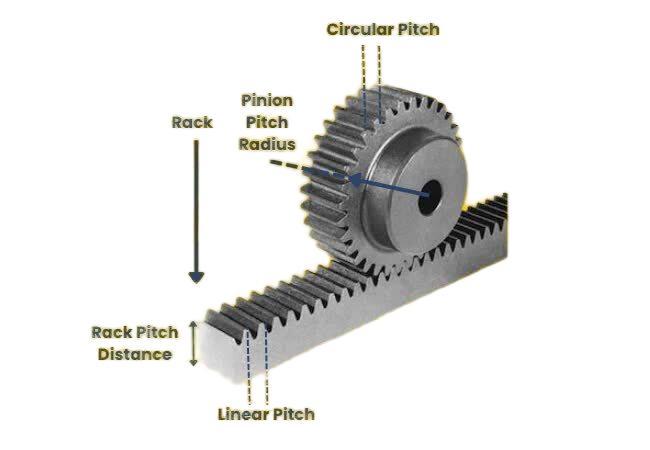
What must stay stable as the rack bends
Start with the mating data: specify the pinion tooth system, rack pitch, pressure angle, intended path or bend radius, rack material, mounting method, load, speed and required travel. Flexing can change local tooth alignment, so the rack needs continuous support or a defined guide where contact occurs. Do not substitute a helical pinion for a spur pinion unless the rack tooth direction and helix data are designed as a compatible pair.
The PairGears rack-and-pinion guide highlights the need to evaluate pitch, tooth form, backlash, support stiffness and surface condition together. Check a representative installed segment through the complete stroke, not only at one straight reference position.
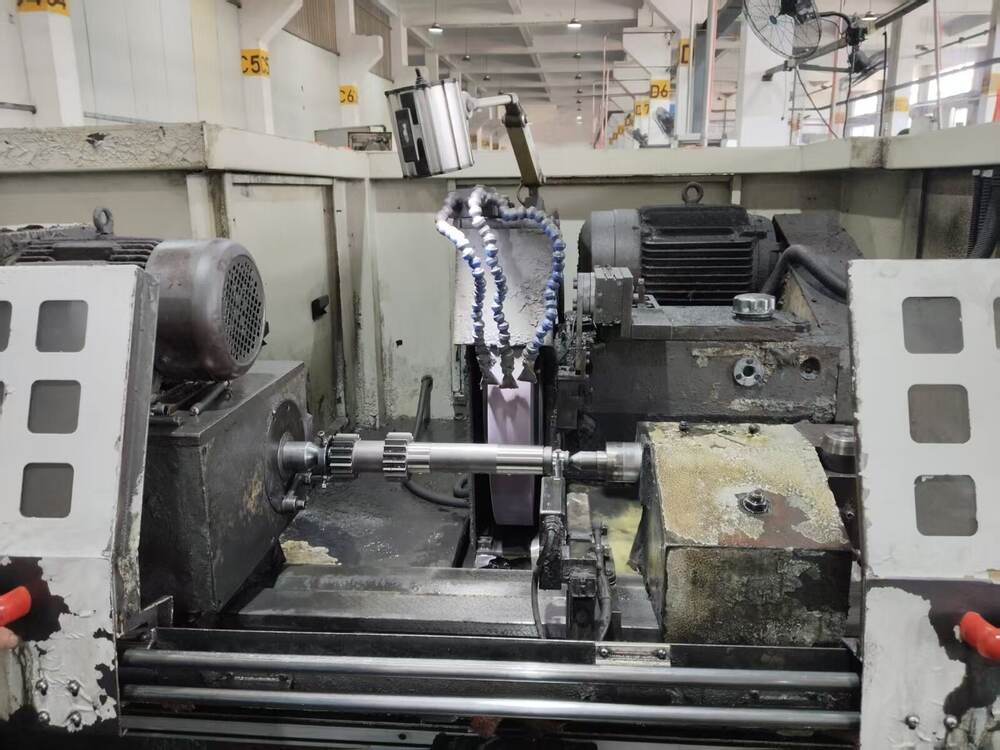
Example or decision check
For a curved travel path, a correct module and pressure angle are necessary but not sufficient. Build or inspect the rack in its final guide, rotate the pinion through the full contact length, and record tight spots, backlash variation, contact marks and any rack lift. A local smooth mesh does not prove the full path is acceptable.