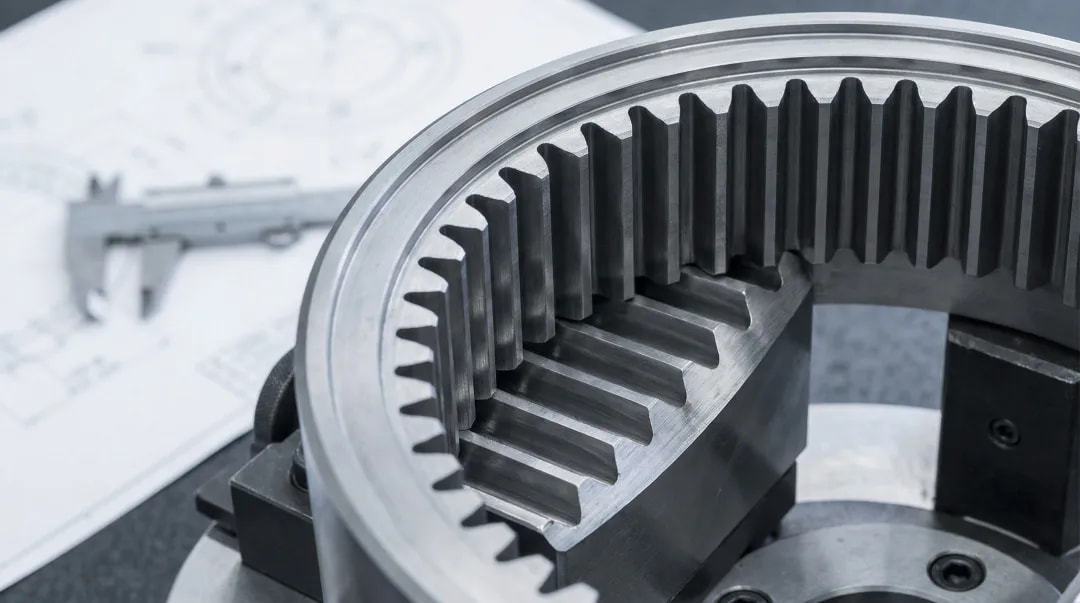
What is a gear shaper cutter?
What is a gear shaper cutter?
A gear shaper cutter is a precision cutting tool, commonly pinion-shaped, that generates gear teeth through synchronized rotation with a gear blank and a reciprocating cutting stroke. It has cutting edges and relief geometry, so it is not an ordinary mating gear. Cutter selection depends on tooth geometry, workpiece access, machine mounting and the required finished tooth form.
Identify the tool separately from the machine
The machine provides the coordinated cutting and generating motion; the cutter supplies the cutting-edge geometry. A pinion-type cutter resembles a gear, but its rake and clearance features let it remove metal. Disc and shank designs address different mounting and access needs.
A hob and a shaper cutter use different tool forms and generating arrangements. Do not treat them as interchangeable tooling even when their nominal module is the same.
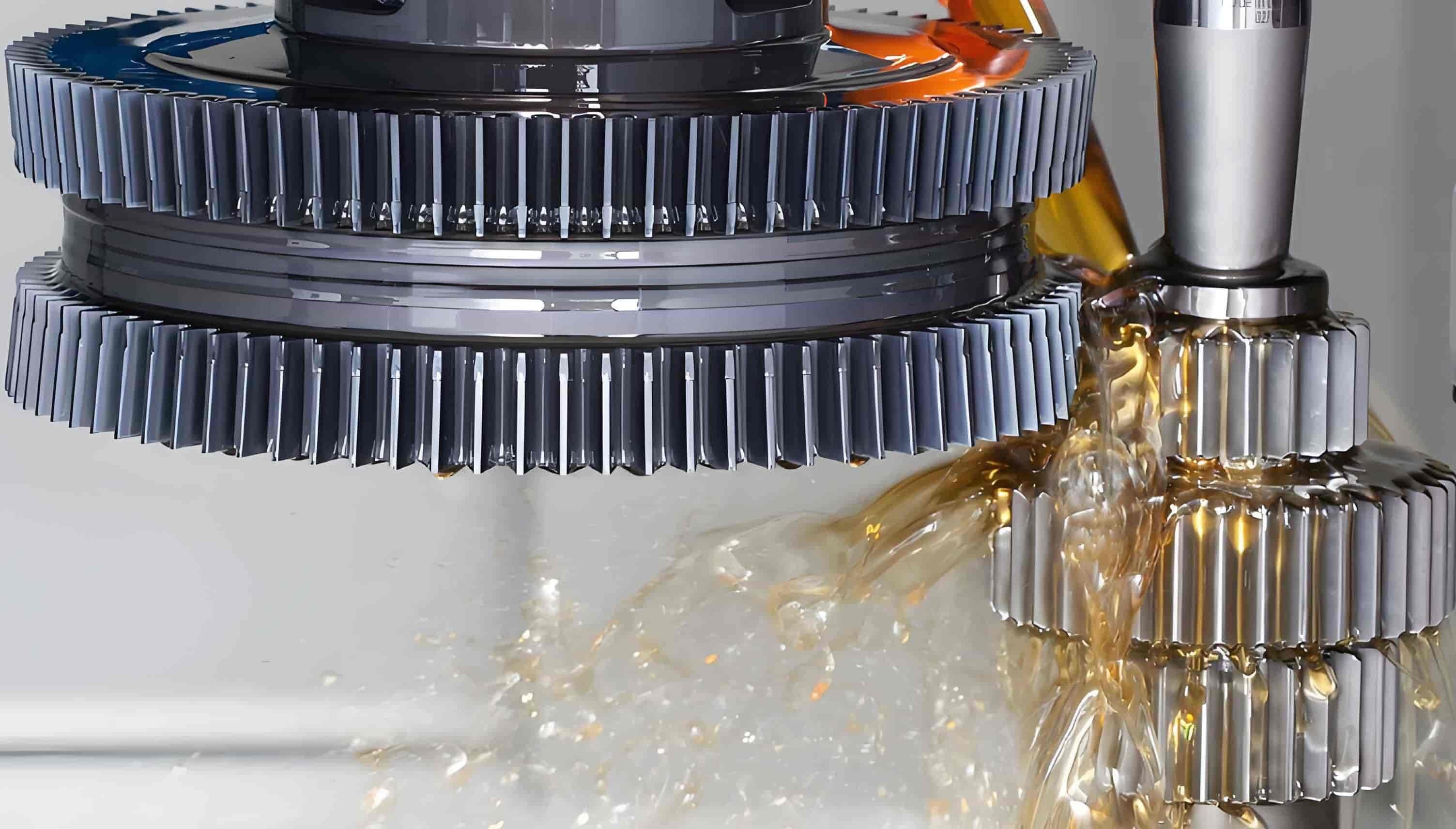
Check access and interference for internal teeth
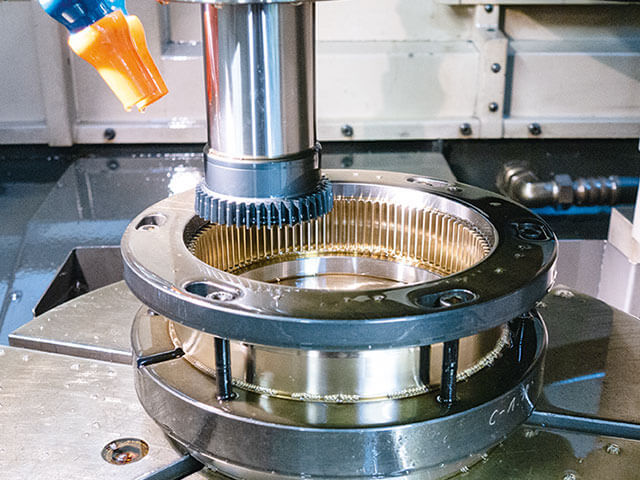
For an internal gear, the cutter must enter the bore and complete its stroke without striking a shoulder or nearby structure. Cutter diameter and tooth count must also be checked against the workpiece for generating interference; a smaller cutter is not automatically a valid solution.
Provide the internal tooth count, tip and root dimensions, face width and surrounding features. The PairGears internal-gear machining guide explains why restricted access affects process planning.
Define the cutter from the finished gear requirement
- Confirm module or DP, pressure angle and spur or helical geometry.
- State the required tooth form, root clearance and any finishing allowance.
- Check the cutter mounting, available stroke and machine compatibility.
- Agree cutter condition and resharpening limits with the tooling supplier.
For example, two internal gears with the same module but different bores and shoulders may need different cutter arrangements. Validate the produced profile and tooth dimensions; the cutter designation alone does not certify the finished gear.