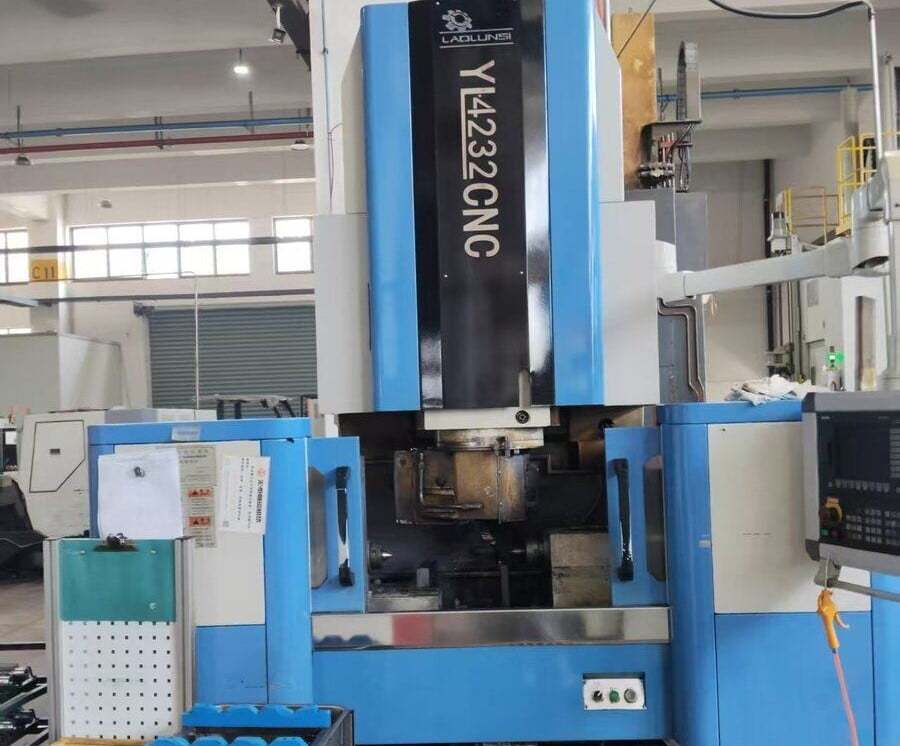
What is gear shaving, and why is it done before hardening?
What is gear shaving, and why is it done before hardening?
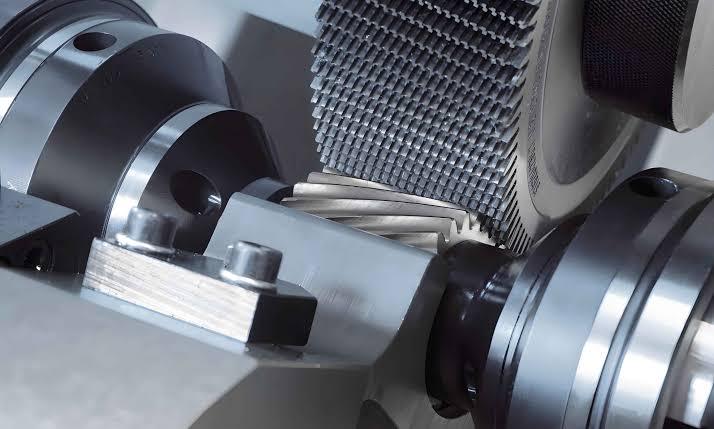
Gear shaving is a finishing operation for teeth that have already been cut. A serrated, gear-shaped cutter meshes with the workpiece and removes a thin layer of material through sliding contact. Conventional shaving normally takes place before hardening, while the gear is machinable, to refine small tooth-form errors and surface finish. It cannot correct distortion introduced by later heat treatment.
What does the shaving cutter do?
In a conventional crossed-axis arrangement, the cutter and gear roll together with relative sliding along their contacting teeth. The cutter’s small cutting edges remove material from the existing flanks. Cutter design, workholding and the incoming gear condition determine which corrections are practical.
The process can refine profile, lead and surface condition, but it is not a way to generate complete teeth from a plain blank or repair large errors.
Why is process order important?
A possible sequence is blank preparation → hobbing or shaping → shaving → hardening → final inspection. The last inspection matters: heat treatment may change the geometry that shaving established.
For a hardened gear whose final profile remains outside tolerance, assess a suitable hard-finishing process and its available stock allowance. Do not assume another conventional shaving pass will restore it.
Example: decide what the finished gear must meet
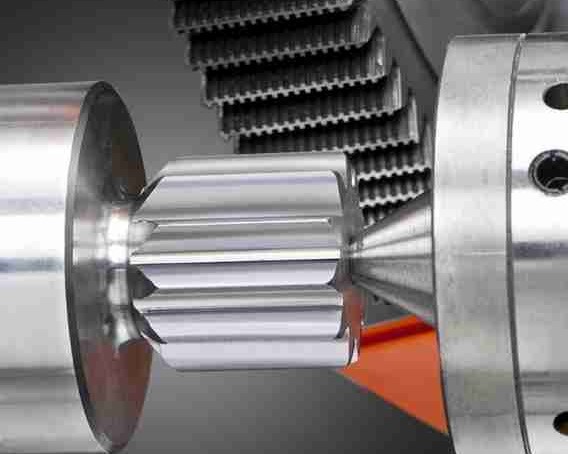
Suppose a hobbed helical gear needs a smoother flank before carburizing. Shaving may be a suitable intermediate step. If the drawing also requires tight geometry after hardening, the route may need a later finishing operation. Shaving alone is not a guarantee of quieter operation or longer life.
Use PairGears’ gear-shaving guide to discuss the sequence, allowance and final inspection requirements.