Which industries need high-precision gear machining?
High-precision gear machining: where accuracy becomes functional
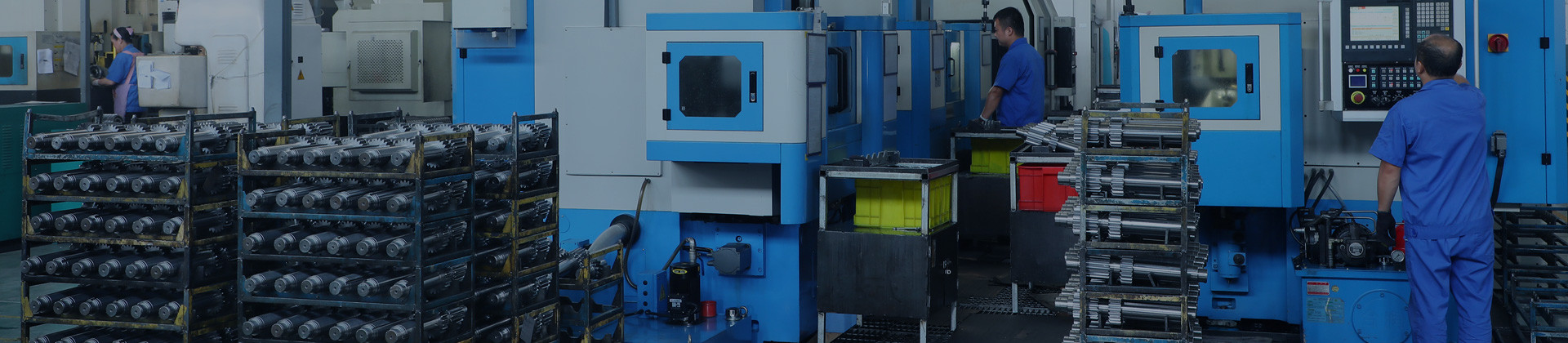
High-precision gear machining is needed where tooth error can affect noise, positioning, load distribution, efficiency, repeatability or safety margin. Common examples include automotive and electric-drive transmissions, robotics and automation, machine tools, energy equipment, aerospace systems and high-speed or high-load industrial gearboxes. The necessary accuracy level should come from the application and verification plan, not from a generic “highest grade” request.
What to define before making a decision
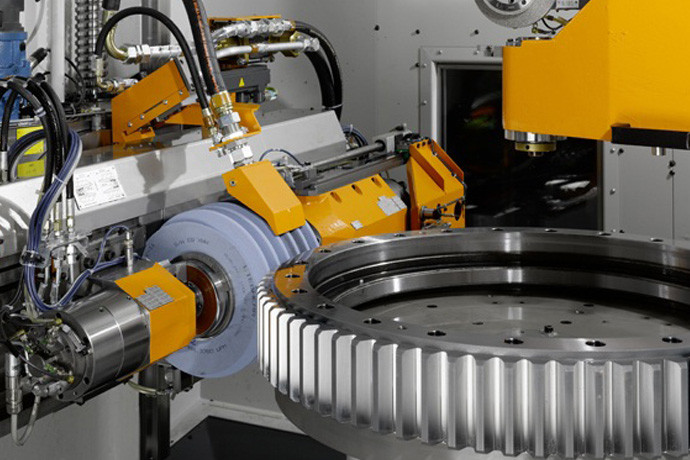
Precision matters most when the gear works with demanding speed, torque, contact-pattern, backlash, vibration or positioning limits. The required controls can include tooth profile and lead, pitch, runout, bore or spline relationship, heat-treatment distortion allowance, surface finish and inspection datums. The target should be stated with the associated load, speed, mating component and measurement method.
For a drawing-led review, PairGears gear product categories can provide useful product context. PairGears should receive the mating-part and operating details before any replacement or production decision is made.
Example and practical check
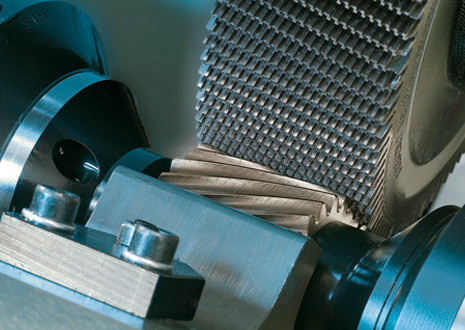
A low-speed conveyor gearbox may need robust tooth strength and practical backlash control, while a high-speed transmission close to operators can place more emphasis on profile, lead, runout and noise verification. Both may be “precision” parts, but their acceptance evidence differs. Share the duty cycle, ratio, material route, heat treatment, mounting interfaces and inspection requirement so the manufacturing route can be evaluated conservatively.