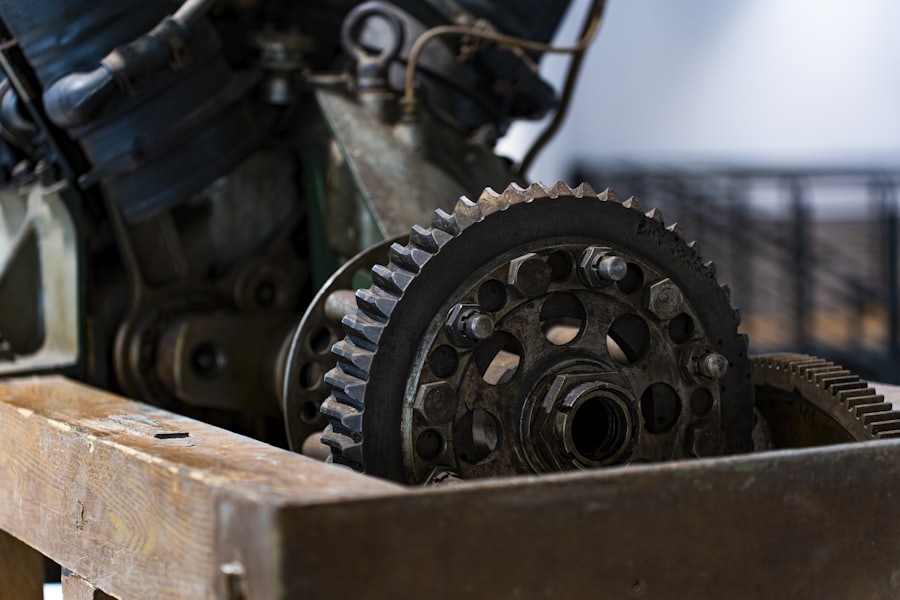
What types of gearboxes are used in agricultural machinery?
Agricultural gearbox types: match the transmission to the duty cycle
Agricultural machinery uses several gearbox families: manual or synchronized stepped transmissions, powershift or partial-powershift systems, continuously variable transmissions (CVTs), hydrostatic drives, shuttle or reverser arrangements, PTO and implement gearboxes, and final-drive reductions. The best type depends on required speed control, torque, field and road duty, load changes, reversals, operator control, lubrication and service access—not on the number of gears alone.
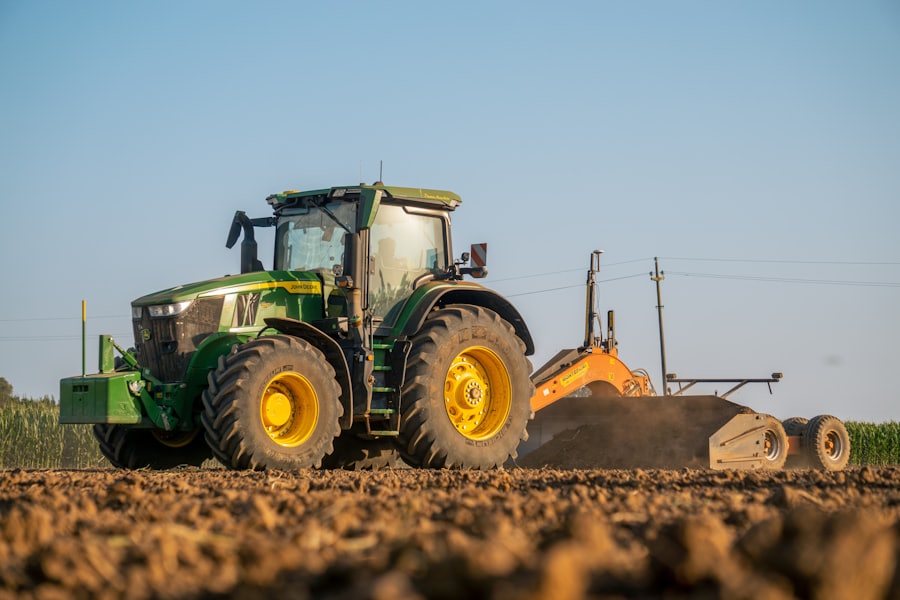
What to define before making a decision
A stepped gearbox provides discrete ratios; powershift systems are designed to change selected ratios under load within their intended control architecture; a CVT varies the usable ratio range continuously; and a hydrostatic drive is common where low-speed modulation matters. PTO, implement and final-drive gearboxes perform different roles again, so their ratio, torque path, seals and maintenance needs must be evaluated separately.
For a drawing-led review, PairGears gear product categories can provide useful product context. PairGears should receive the mating-part and operating details before any replacement or production decision is made.
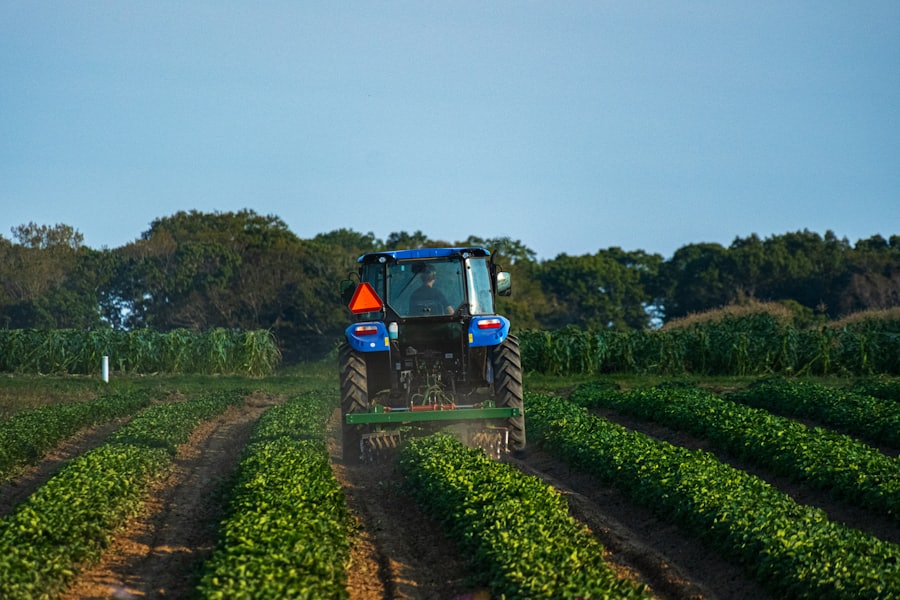
Example and practical check
A tractor working at a steady PTO speed may prioritize maintaining an implement speed while ground speed changes. A loader or frequent shuttle task can prioritize repeatable reversals, while a final drive prioritizes torque reduction and bearing-supported gear contact. Record the application, engine and output speeds, torque range, reversals, oil specification, mounting arrangement and service condition before specifying a replacement gear or gearbox component.