
What are the advantages of helical gears?
Helical gear advantages: smoother engagement with a thrust trade-off
Helical gears can engage more gradually than straight-cut gears, which can improve load sharing and support smoother operation in suitable parallel-shaft drives. Their helix angle also generates axial thrust, however, so the benefit depends on the bearing layout, housing stiffness, lubrication, heat, accuracy and duty cycle. PairGears should evaluate those system inputs together.

Why helical geometry changes the design decision
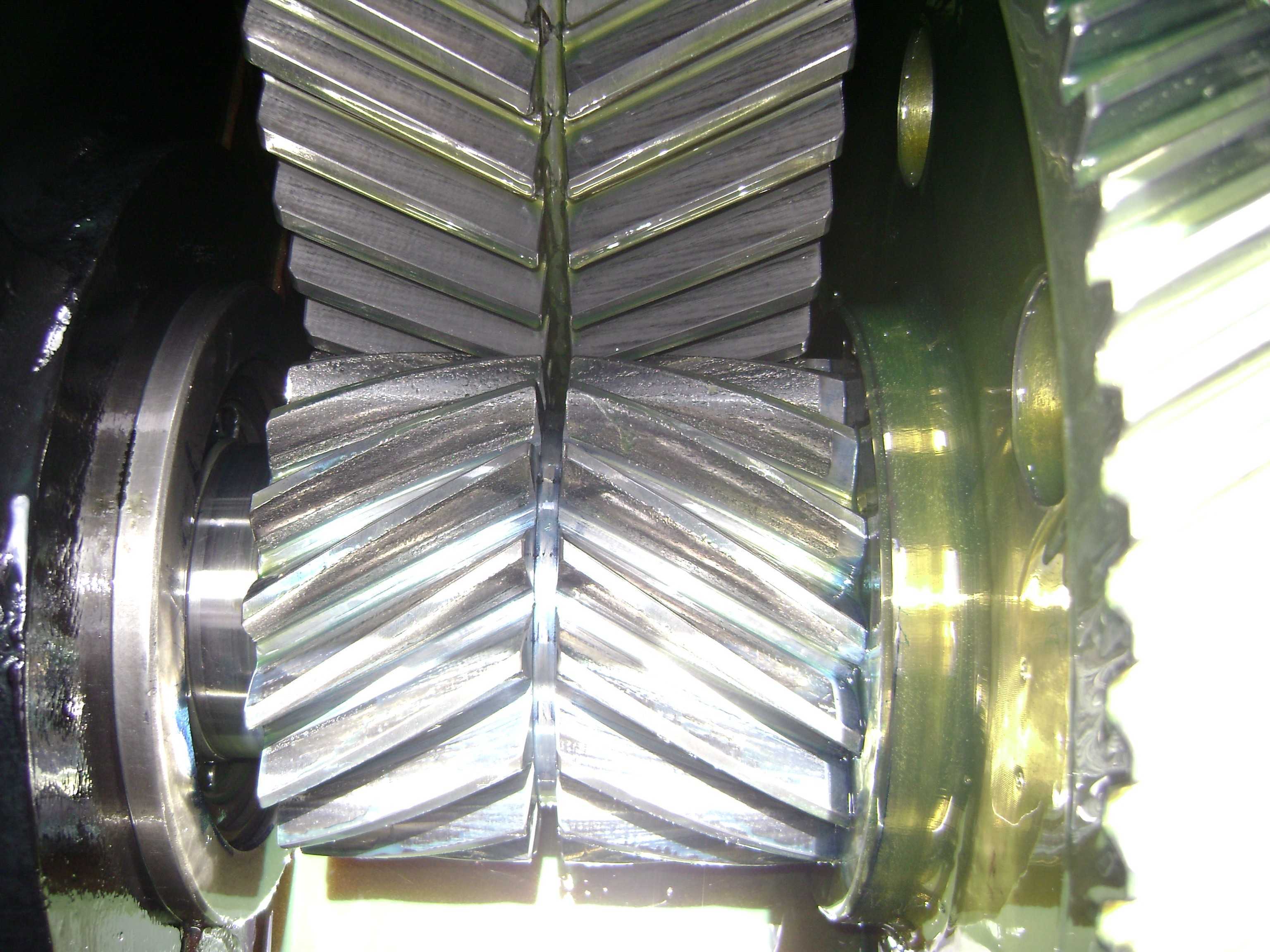
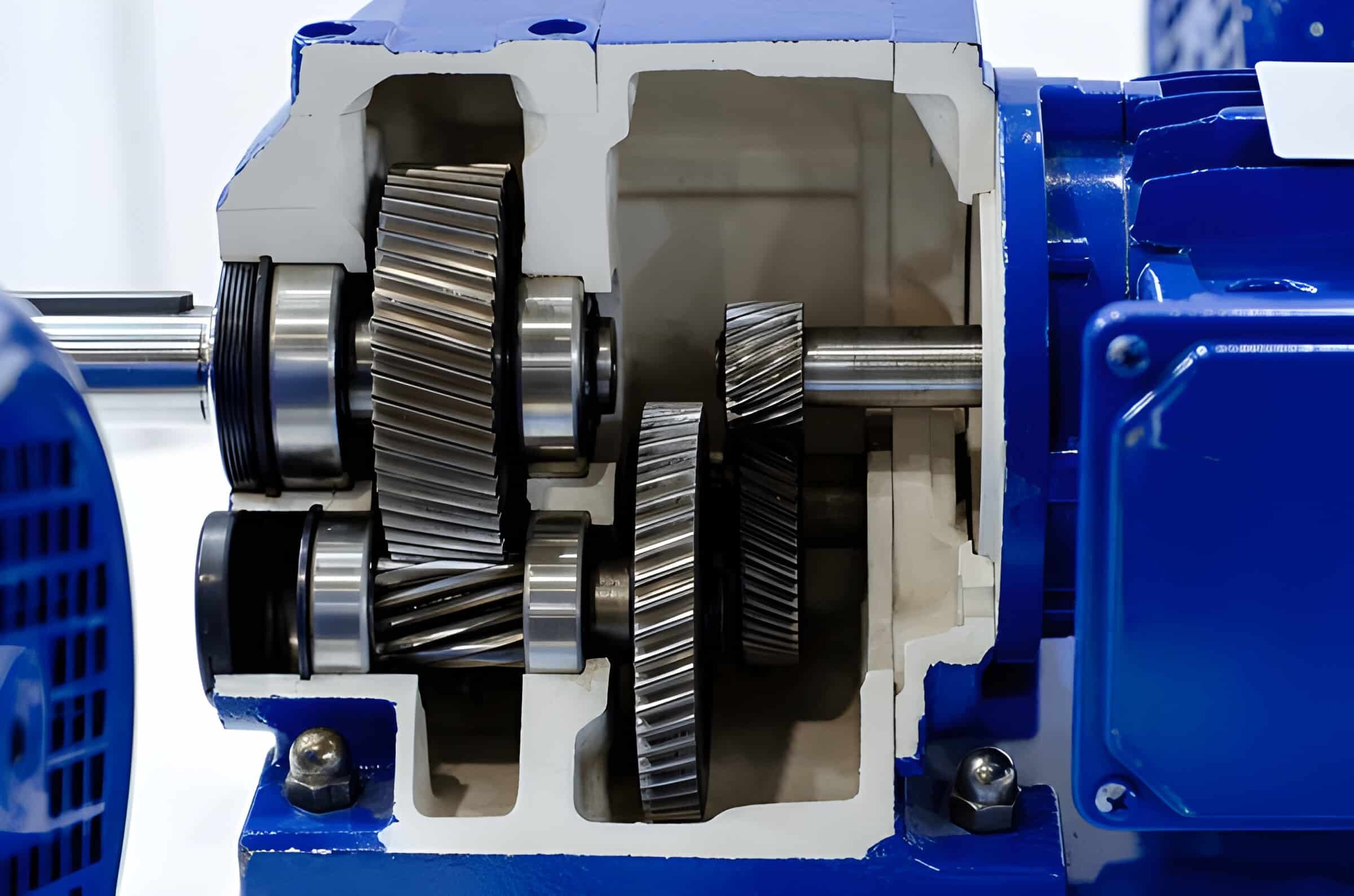
With helical teeth, contact develops progressively along the face width and more than one tooth pair can share load during part of the mesh. This can support smoother torque transfer and lower excitation in a well-designed system. The same helix angle creates an axial force component, so the bearings and housing must be designed to locate and carry it without compromising alignment.
The PairGears helical-gear guide highlights the relationship between helix angle, hand, module, tooth count, center distance and bearing layout. Do not promise quiet operation from tooth form alone.
Example or decision check
A speed-reducer stage may choose helical gears when its design can support the axial force and needs smoother meshing at its operating speed. The review should document helix angle and hand, module or normal/transverse system, pressure angle, face width, torque, speed, bearing arrangement, lubricant and the target gear-quality verification.