
How can you cut gears on a milling machine?
How can you cut gears on a milling machine
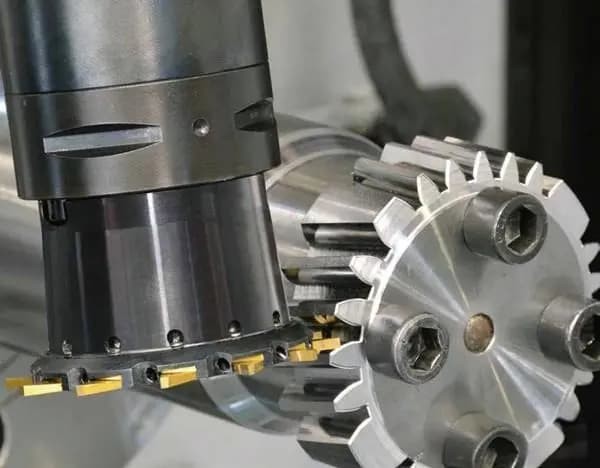
Gears can be cut on a milling machine by machining each tooth space in sequence with a correctly selected form cutter or a programmed tool path. The critical controls are the module or diametral pitch, pressure angle, tooth count, blank datum, indexing accuracy and final inspection basis—not the machine alone.
How the process should be planned
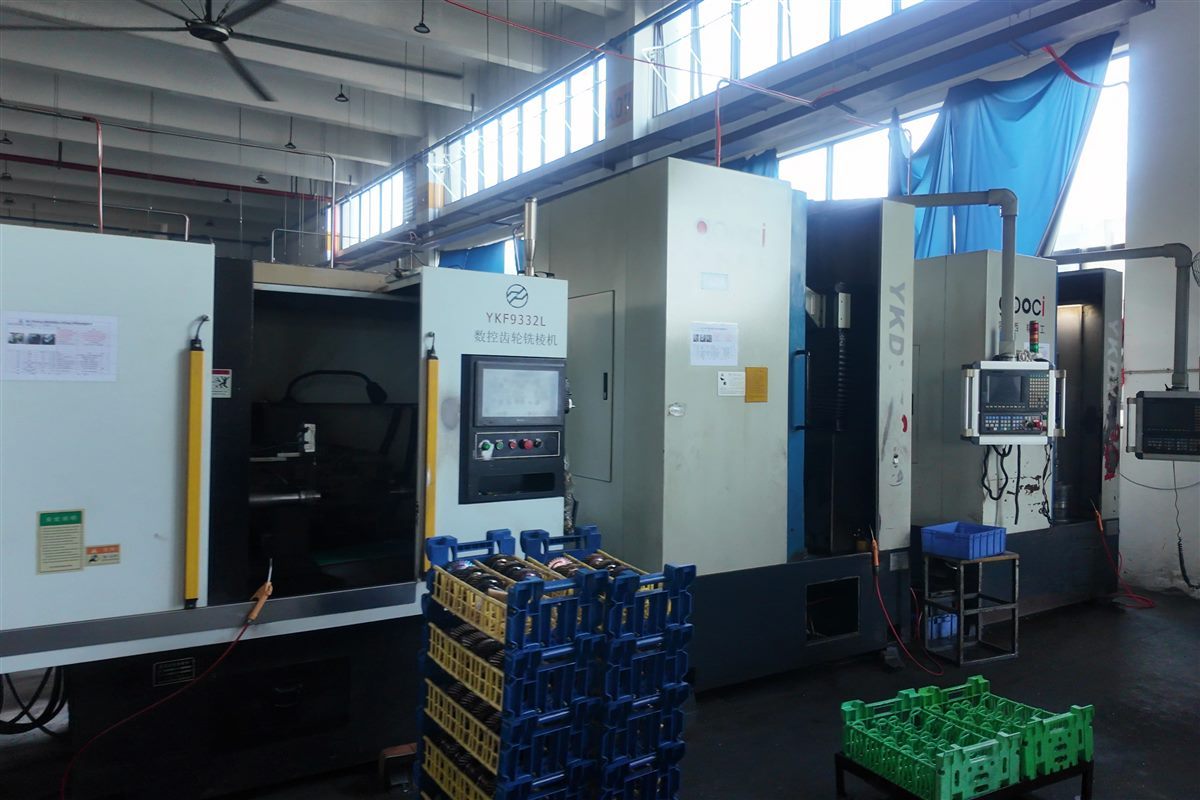
For a conventional setup, the blank is held on an arbor or fixture and indexed one tooth at a time. A form cutter removes each space; a CNC machining centre can instead follow a qualified tool path. Milling is generally a flexible route for prototypes, low quantities or changing geometry, but it is slower than continuous generating processes such as hobbing.
Example and decision checks
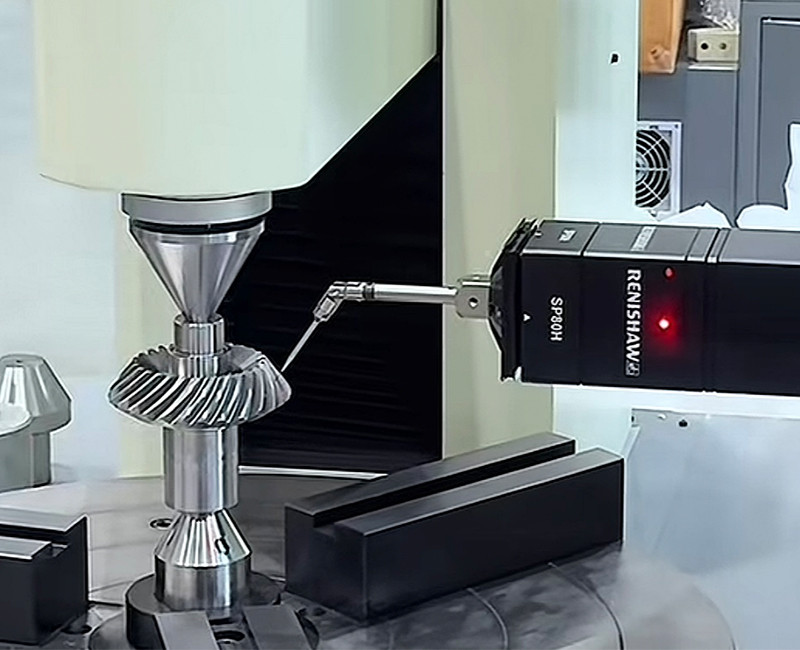
Example: before cutting a 24-tooth spur gear, define the mating tooth system, module or DP, pressure angle, face width, material condition and reference surfaces. After cutting, check tooth thickness or span measurement, runout and the agreed profile or lead evidence. PairGears applies the same drawing-first discipline when a milling route is being reviewed.